Diesel Deal, Riyadh Attacks, Djibouti Tragedy: World This Week
Three stories dominated the world this week: a surprise Trump–Putin diesel deal that flips years of US sanctions policy, a deadly Houthi attack on Riyadh's airport that drew condemnation from Pakistan, and a migrant boat disaster off Djibouti that killed 139 people. Here is what happened, and why it matters for Pakistan.
1. Trump strikes a diesel deal with Russia, lifts sanctions
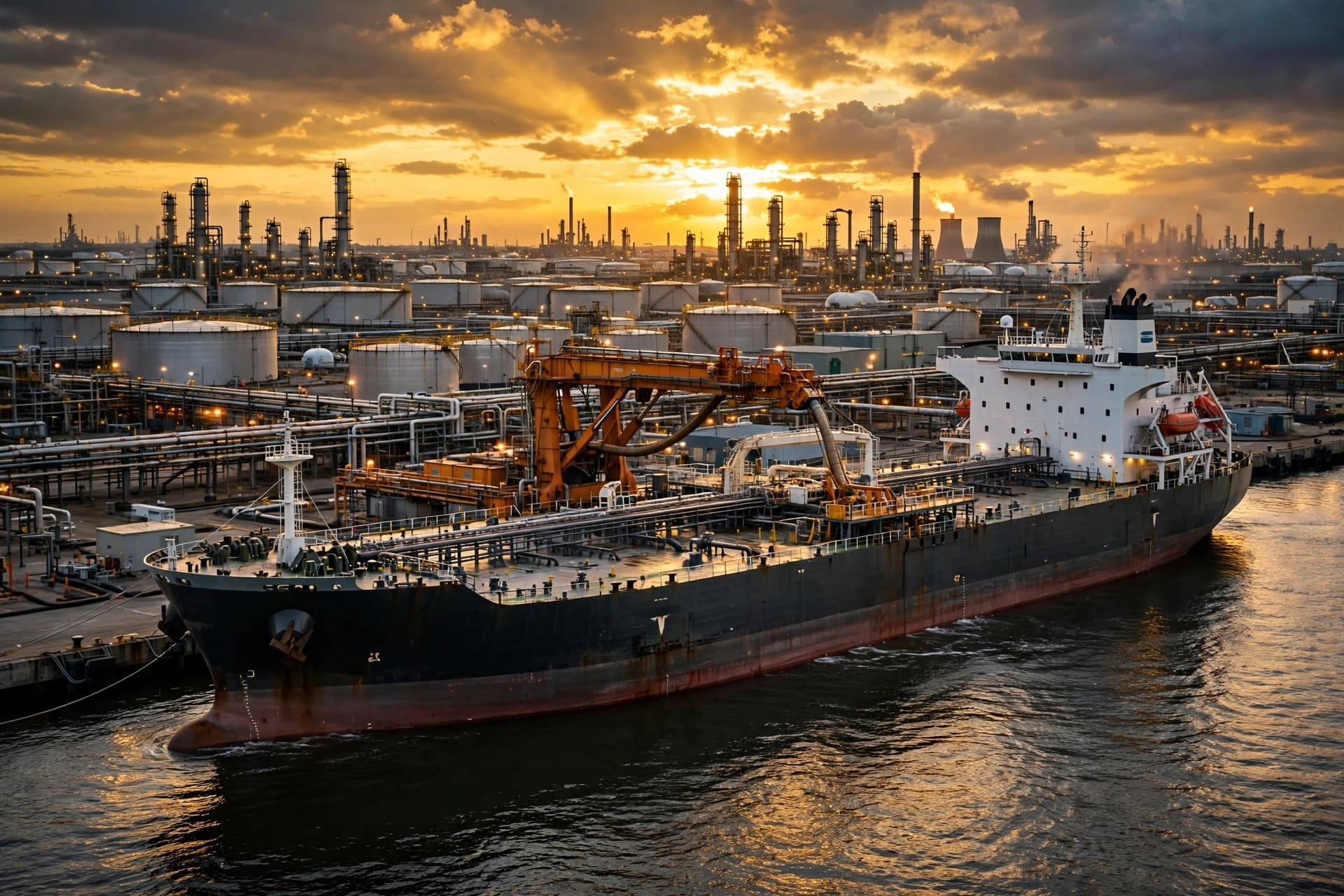
In the week's most dramatic policy U-turn, US President Donald Trump announced on Friday, October 9, that he had struck a deal with Russian President Vladimir Putin to supply Russian diesel to the United States and global markets.
According to The Hindu, Trump said Russia will immediately supply more than 300,000 tonnes of diesel, followed by 500,000 tonnes in November and one million tonnes immediately thereafter. Russia would then deliver another three million tonnes depending on the condition of its refineries.
Minutes after the announcement, the US Treasury Department lifted sanctions on the sale of Russian diesel until April 7, 2027. The department authorised "all transactions prohibited by the Russian Harmful Foreign Activities Sanctions Regulations" related to the sale, delivery and importation of Russian-origin diesel fuel.
Why now? Fuel prices have surged worldwide. Ukraine has been striking Russian refineries, which forced Moscow to ban diesel exports back in July 2026 — a ban Russia partially lifted this week, permitting 500,000 tonnes of diesel sales to foreign markets, according to TASS reporting via the Kyiv Independent. Houthi attacks on refineries in Saudi Arabia tightened supplies further. Trump is under political pressure to bring fuel prices down ahead of the November 3 midterm elections in the US.
The deal drew sharp reactions. Ukrainian President Volodymyr Zelenskyy said Trump's announcement was his first news of the deal, adding that Ukraine was ready to honour an energy ceasefire if Russia agreed. Trump separately called for Ukraine to get "a new president" and criticised Ukrainian strikes on Russian oil infrastructure. Germany backed Zelenskyy, with its foreign minister saying Berlin fully supports the Ukrainian president and will maintain sanctions against Russia despite Washington's move. The Institute for the Study of War described the sanctions relief as a unilateral concession to Moscow, and analysts quoted by Haaretz warned the deal may not be enough to keep fuel prices down for long.
2. Houthi attacks on Riyadh airport kill and wound dozens
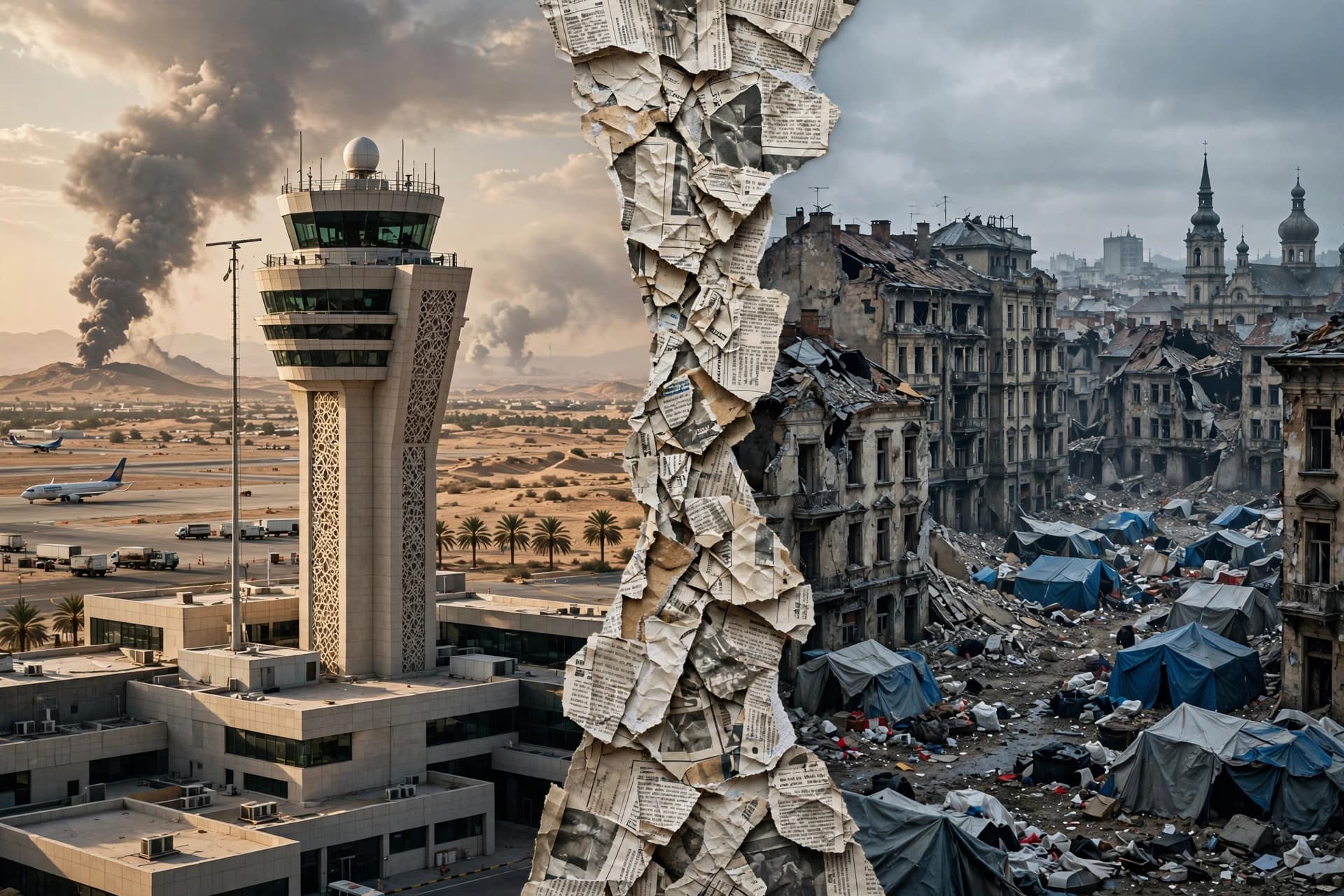
Saudi Arabia's capital faced one of its deadliest attacks in years this weekend. A loud blast hit King Khalid International Airport on Saturday, October 10, killing 12 people and wounding over 300, Reuters reported via The Express Tribune. The airport was shut down, and the Financial Express reported that Riyadh airport cancelled 99.7% of its flights on October 11.
On Sunday, a fresh projectile struck a passenger terminal, killing one person and injuring 11, with Yemen's Houthi rebels claiming responsibility. Reuters separately reported that a Pakistani resident was among those killed and a dozen injured in the new attack.
Condemnation poured in. Pakistan warned the Houthis and demanded swift action by the UN Security Council. Turkiye, Egypt and the UAE also condemned the attacks. Saudi Arabia's energy minister said the kingdom must make a "serious" response, and the Saudi-led coalition announced a large-scale operation against the Houthis in Yemen, saying 136 military targets had been destroyed. Trump said the United States may join Saudi strikes against the Houthis in Yemen and would "move very quickly." Europe's aviation safety body expanded its Saudi airspace warning after the attacks.
The airport attacks come amid a wider regional confrontation: the US–Iran conflict has pushed tanker attacks in the Strait of Hormuz to wartime highs, Iran's Revolutionary Guard Navy said an oil tanker struck a mine in the strait, and the Pentagon raised the US troop death toll in the Iran war to 21, with 865 service members wounded.
3. Migrant boat capsizes off Djibouti: 139 dead
At least 139 migrants, including 15 children, died and 84 were missing after an overcrowded boat capsized while sailing from Djibouti to Yemen, the UN's International Organization for Migration (IOM) said on Sunday.
The vessel was carrying 305 people, most of them Ethiopian, when it capsized near Guhere, north of the port town of Obock, during the night of October 8–9, according to survivor accounts. Eighty-two people survived, all Ethiopian nationals.
IOM chief of mission in Djibouti Alexandre Coissac said teams were on the ground alongside Djiboutian authorities providing emergency aid. "This tragedy is a stark reminder of the dangers faced by migrants along this migration corridor as they seek economic opportunities," he said. One survivor told him "the boat started to sink backwards as soon as they got in it."
The tragedy follows renewed fighting in Ethiopia's Tigray region. The IOM says more than 20,000 people have crossed from Ethiopia into Djibouti since September 10. Each year, tens of thousands of migrants from the Horn of Africa travel through Djibouti and cross the Bab el-Mandeb strait into Yemen, hoping to reach the Gulf countries — a journey that continues despite the fighting on Yemen's Red Sea coast. In 2025 alone, more than 900 migrants died or went missing along the sea route to Yemen.
Why this matters for Pakistan
Fuel prices: Pakistan imports almost all of its petroleum, so global oil and diesel prices feed directly into petrol prices at home. Brent crude was trading around $105.41 a barrel as these stories broke. If Trump's diesel deal actually eases the global fuel crunch, Pakistani consumers could eventually see relief at the pump — but analysts warn the deal may not be enough to keep prices down, so don't count on it yet.
Saudis and Pakistanis in the Gulf: Saudi Arabia hosts the largest Pakistani diaspora in the world. Attacks on Riyadh's airport hit close to home — a Pakistani resident was among the victims — and Pakistan's condemnation shows how directly this conflict touches Islamabad's interests.
Energy security: With the Strait of Hormuz seeing wartime-level tanker attacks, Pakistan's fuel import routes remain exposed. This week was a reminder that energy politics, from Washington to Moscow to the Gulf, land on Pakistan's doorstep whether we like it or not.
Sources
- The Hindu — US lifts sanctions on sale of Russian diesel in global markets
- Kyiv Independent — Russia partially lifts ban on diesel exports after Trump-Putin deal
- The New Voice of Ukraine — Trump's Russia diesel sanctions relief is a concession — ISW
- The Express Tribune — World: latest international news updates
- Financial Express — World news: latest international updates
- The Express Tribune — Djibouti boat wreck leaves 139 dead
- The National — Boat capsizes off Djibouti leaving 139 dead and scores missing
- Daily Nation — At least 139 migrants dead after boat from Djibouti to Yemen capsizes